BPC-157 is a synthetic research peptide derived from a sequence originally identified in a protein found in human gastric juice, known as Body Protection Compound (BPC). It is frequently discussed in laboratory and preclinical research because of its molecular stability and the range of biological pathways it has been studied in.
This page provides an educational overview of BPC-157 for laboratory research purposes only. NexPept supplies BPC-157 strictly for non-clinical research applications, with an emphasis on purity, documentation, and transparency. New to the topic? Start with our guide to what research peptides are or our overview of research peptides in Canada.
BPC-157 is intended strictly for laboratory research use only. It has not been authorized by Health Canada for human or veterinary use.
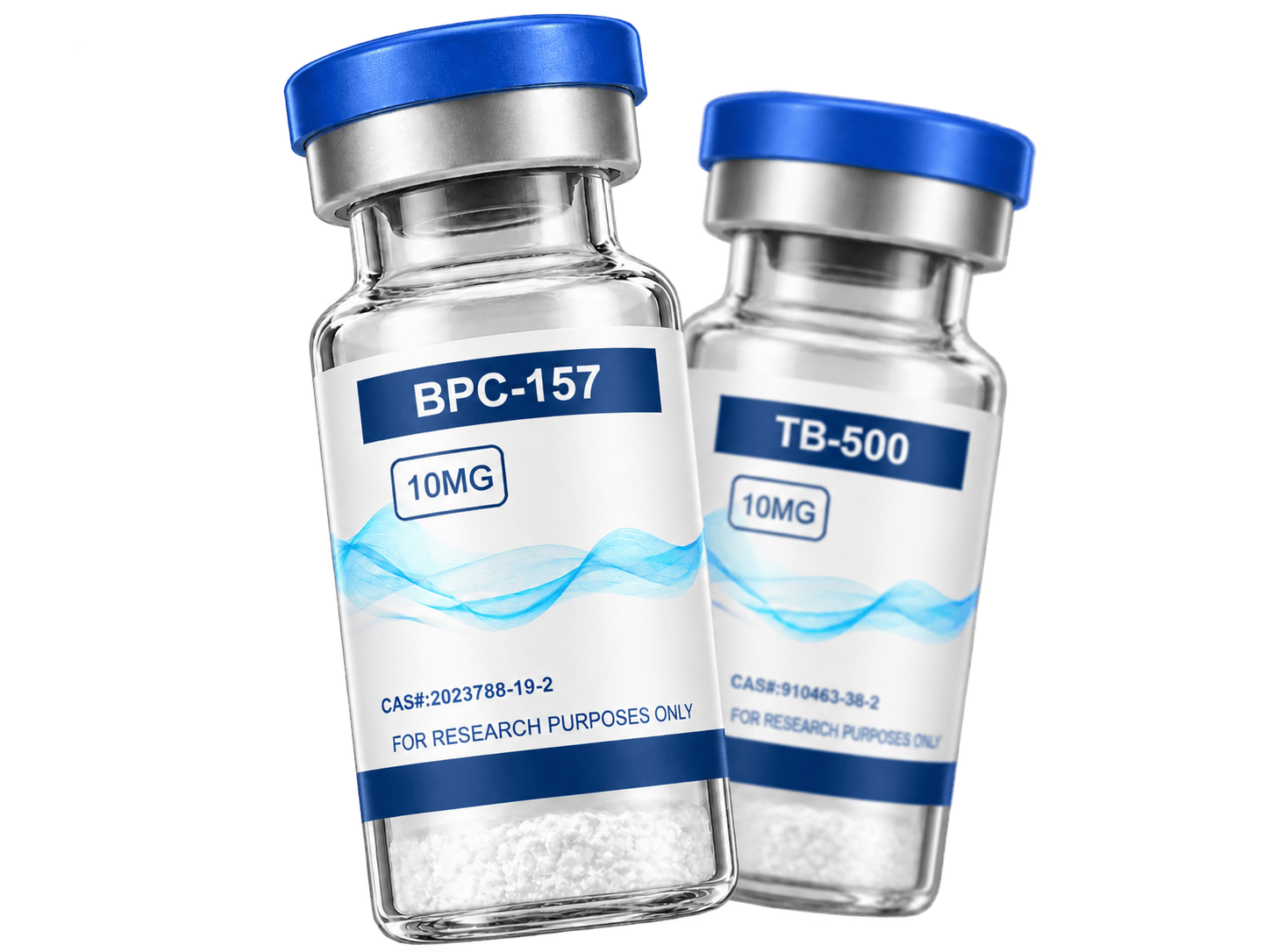
BPC-157 10mg research peptide
Lyophilized powder supplied for laboratory research use.
What Is BPC-157?
BPC-157 is a 15-amino-acid peptide, called a pentadecapeptide, originally identified from a protein found in gastric juice. In research environments it is produced synthetically and studied for its interactions with various biological systems.
Because of its structural stability, BPC-157 has become a commonly referenced peptide in laboratory research models investigating cellular signaling and tissue-related pathways.
BPC-157 Chemical Profile: Sequence, CAS Number & Molecular Weight
The core identifiers for BPC-157 are listed below. Researchers use these values to confirm that the material they receive matches the compound they ordered.
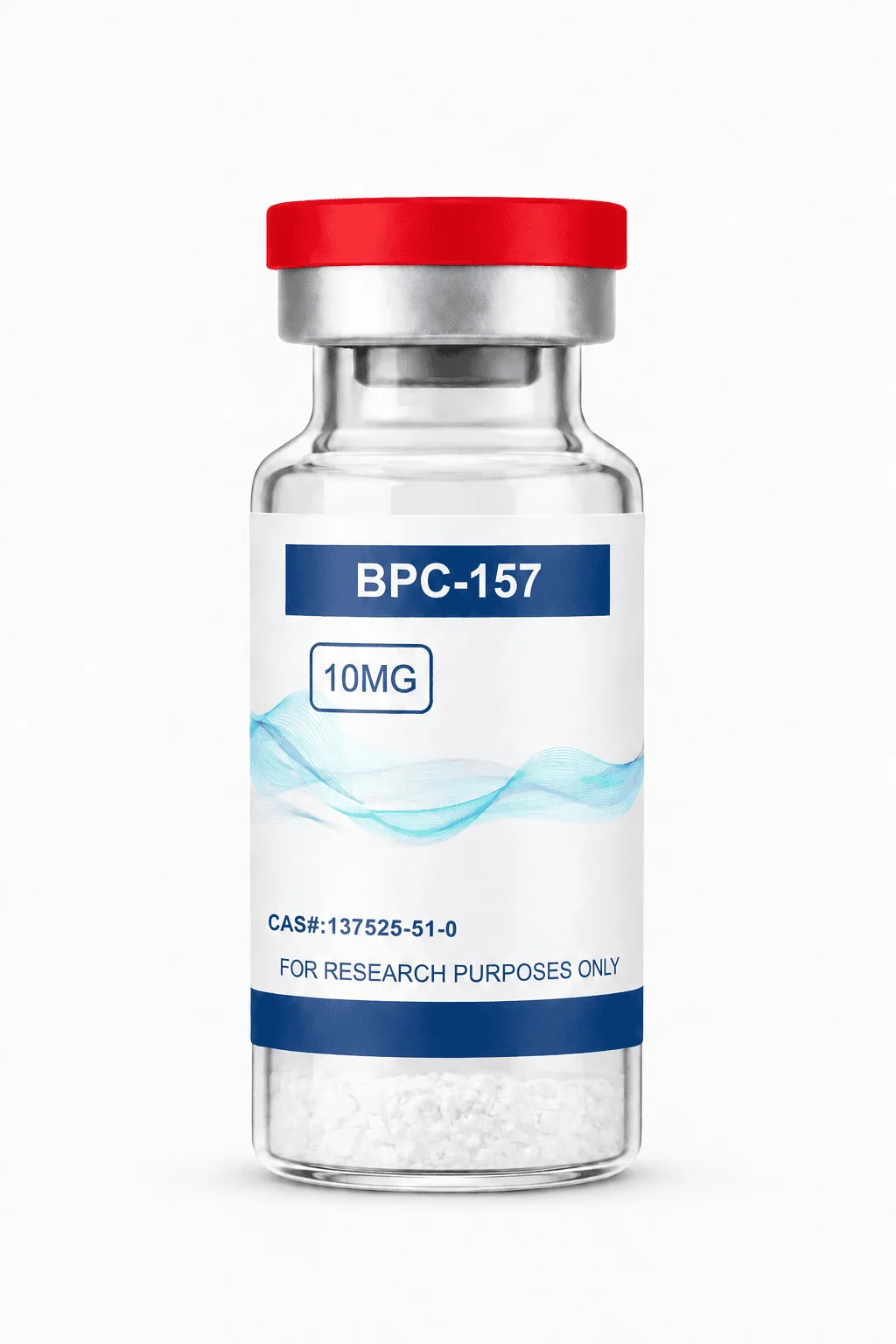
| Compound | BPC-157 (Body Protection Compound 157) |
| CAS number | 137525-51-0 |
| Classification | Synthetic pentadecapeptide, gastric juice protein fragment |
| Length | 15 amino acids |
| Sequence | GEPPPGKPADDAGLV |
| Molecular formula | C62H98N16O22 |
| Molecular weight | 1419.5 Da |
| Physical form | Lyophilized powder, white to off-white solid |
| Analytical methods | HPLC + mass spectrometry (MS) |
The chain reads, in order, glycine, glutamic acid, three prolines, glycine, lysine, proline, alanine, two aspartic acids, alanine, glycine, leucine, and valine:
One-letter code on top, three-letter abbreviation below.
Why Researchers Study BPC-157
In preclinical and laboratory settings, BPC-157 has been examined in in vitro research involving:
All findings related to BPC-157 remain within research and experimental contexts, and interpretations should be limited to laboratory data. To explore the published literature, you can search PubMed for BPC-157 research papers.
BPC-157 Purity & Certificate of Analysis
Peptide purity plays a critical role in the reliability of research outcomes. Inconsistent synthesis or undocumented material can lead to unreliable data and compromised studies. High-quality research peptides should come with third-party analytical testing, batch-specific identification, verified purity percentages, and a transparent certificate of analysis (COA).
As of September 2026, the current NexPept BPC-157 10mg batch reports the following:
When you review any BPC-157 COA, check for:
Storage & Handling (Research Use)
Proper storage and handling are important to preserve peptide integrity during research. General laboratory considerations include:
At NexPept, lyophilized products are held at −20°C until they are packed for shipping. Always adhere to your laboratory's established procedures when working with peptide compounds. No preparation, reconstitution, or administration instructions are provided.
Sourcing BPC-157 for Research in Canada
NexPept supplies BPC-157 10mg as a lyophilized powder for laboratory research use, with a focus on consistency, documentation, and transparency. Our standards include:
Orders ship within Canada with Canada Post Xpresspost, and orders placed and paid before 2:00 p.m. EST ship the same day. These practices support controlled laboratory research environments and reproducible results.
BPC-157 Research FAQ
What is BPC-157?
BPC-157 (Body Protection Compound 157) is a synthetic pentadecapeptide, a chain of 15 amino acids, derived from a sequence originally identified in a protein found in human gastric juice. It is studied in laboratory and preclinical research settings.
What does BPC-157 stand for?
BPC stands for Body Protection Compound. The 157 is the designation of the specific 15-amino-acid fragment derived from the gastric juice protein.
What is the CAS number for BPC-157?
The CAS registry number for BPC-157 is 137525-51-0.
What is the sequence and molecular weight of BPC-157?
BPC-157 has the sequence GEPPPGKPADDAGLV (Gly-Glu-Pro-Pro-Pro-Gly-Lys-Pro-Ala-Asp-Asp-Ala-Gly-Leu-Val), the molecular formula C62H98N16O22, and a molecular weight of approximately 1419.5 Da.
How is the purity of a BPC-157 research peptide verified?
Purity is typically measured by high-performance liquid chromatography (HPLC), and identity is confirmed by mass spectrometry (MS). NexPept's current listed batch, NP-BPC-002, was tested on June 10, 2026 at 99.05% purity. You can open the certificate of analysis or browse the COA library.
Is BPC-157 approved by Health Canada?
No. BPC-157 has not been authorized by Health Canada for human or veterinary use. NexPept supplies it for in vitro laboratory research use only.
How should lyophilized BPC-157 be stored for research?
Store sealed lyophilized material under controlled laboratory conditions, protected from light and moisture, and follow your institution's approved handling protocols. Storage requirements should be set by qualified research personnel.
What is the difference between BPC-157 and TB-500?
They are different compounds. BPC-157 is a 15-amino-acid sequence derived from a gastric juice protein, while TB-500 is a synthetic peptide related to thymosin beta-4. For a side-by-side look, read our BPC-157 vs TB-500 research comparison.