Peptide Calculator
This peptide calculator turns a vial strength, a volume of bacteriostatic water and a target amount into the exact mark to draw to on an insulin syringe. It also returns the concentration in mg/ml and how many aliquots the vial yields.
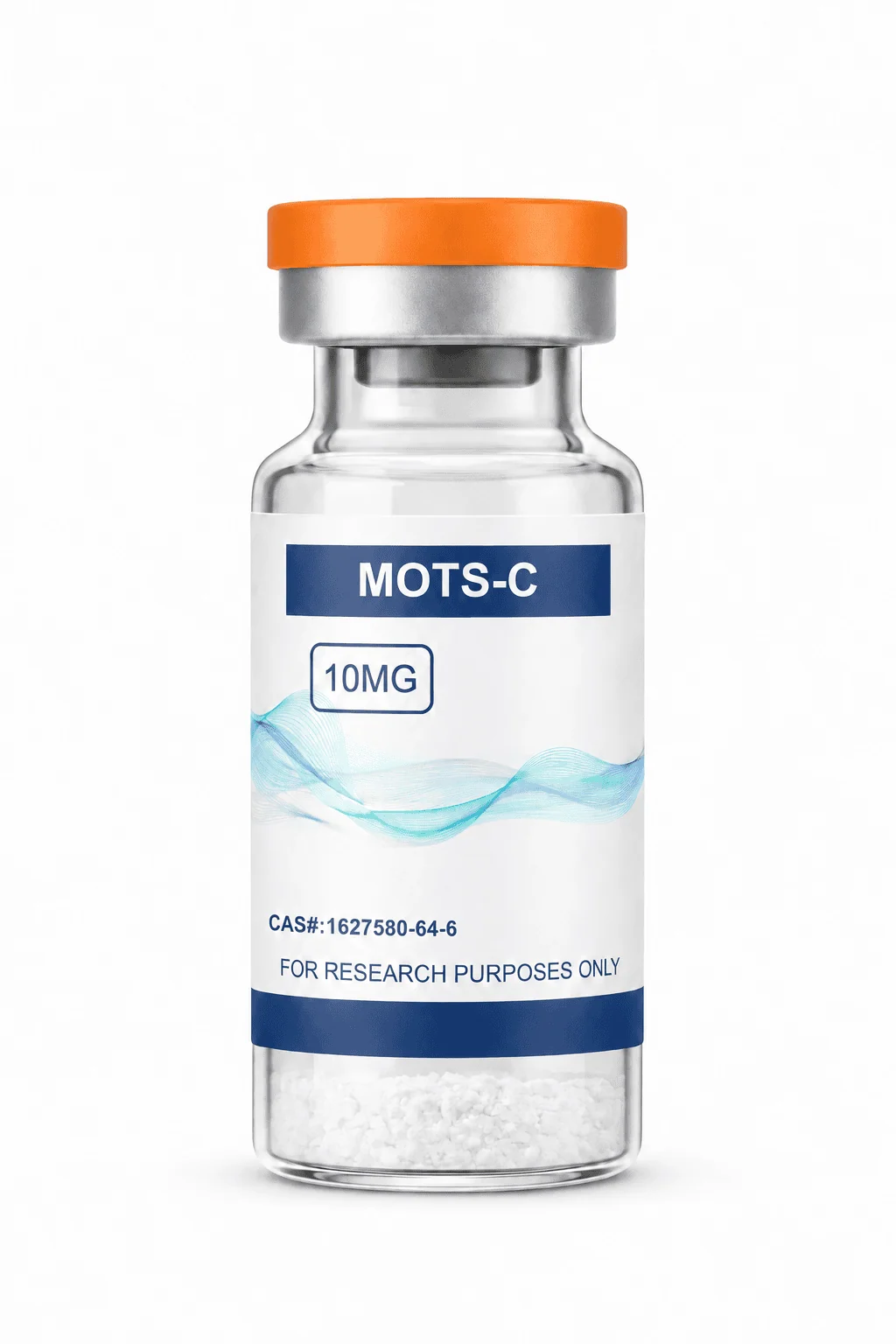
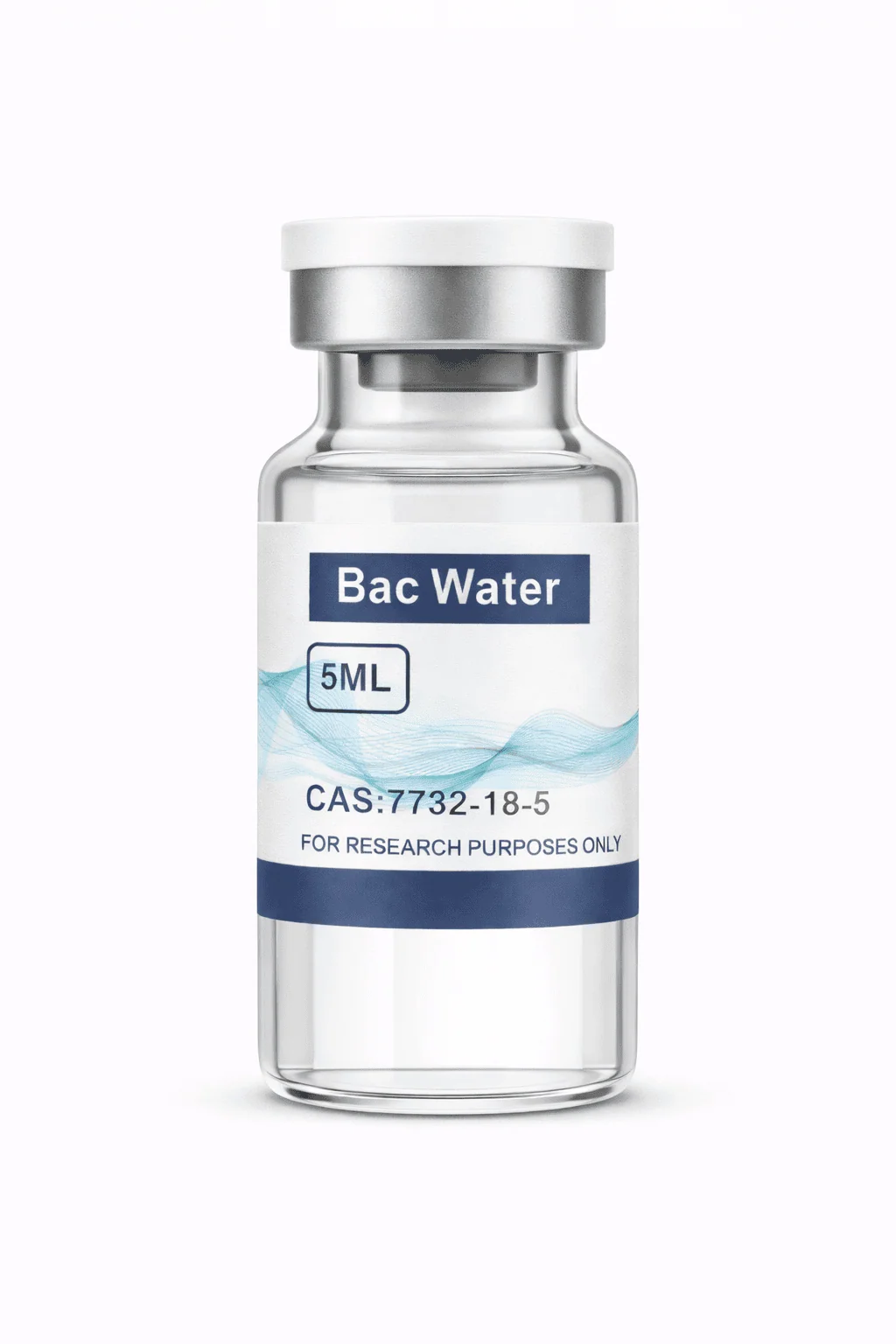
- Concentration
- —
- Volume per aliquot
- —
- Draw to
- —
- Aliquots per vial
- —
How the peptide calculator works
Every calculation comes down to one idea: reconstitution does not change how much peptide is in the vial, only how much liquid that peptide is spread through. A 10 mg vial holds 10 mg whether you add 1 ml or 5 ml of bacteriostatic water. What changes is the concentration, and therefore how far along the syringe barrel a given amount sits.
concentration (mcg/ml) = vial strength (mg) × 1000 ÷ bacteriostatic water (ml)volume (ml) = target amount (mcg) ÷ concentration (mcg/ml)units = volume (ml) × 100That last line is the part people most often get wrong. The numbers printed on a U-100 insulin syringe measure volume, not peptide. Ten units is 0.1 ml on every U-100 syringe ever made, but what those 0.1 ml contain depends entirely on how much water went into the vial. This is why two labs can both "draw to 10" and be working with completely different amounts.
Worked example
A 10 mg vial reconstituted with 2 ml of bacteriostatic water gives 5 mg/ml, which is 5000 mcg/ml. For a 250 mcg aliquot: 250 ÷ 5000 = 0.05 ml, and 0.05 × 100 = 5 units on the syringe. The vial yields 40 aliquots of that size.
Common reconstitution reference table
Units shown are the mark to draw to on any U-100 insulin syringe.
| Vial | BAC water | Concentration | 250 mcg | 500 mcg | 1 mg |
|---|---|---|---|---|---|
| 5 mg | 1 ml | 5000 mcg/ml | 5 u | 10 u | 20 u |
| 5 mg | 2 ml | 2500 mcg/ml | 10 u | 20 u | 40 u |
| 10 mg | 1 ml | 10 000 mcg/ml | 2.5 u | 5 u | 10 u |
| 10 mg | 2 ml | 5000 mcg/ml | 5 u | 10 u | 20 u |
| 10 mg | 3 ml | 3333 mcg/ml | 7.5 u | 15 u | 30 u |
| 15 mg | 3 ml | 5000 mcg/ml | 5 u | 10 u | 20 u |
| 20 mg | 2 ml | 10 000 mcg/ml | 2.5 u | 5 u | 10 u |
Choosing how much bacteriostatic water to add
There is no chemically correct volume — any volume that fully dissolves the powder works. The practical question is measurement accuracy. Aliquots that land below about 5 units are hard to read by eye, and small reading errors become large percentage errors. Aliquots that exceed the barrel force a second draw.
- Aiming for 10 to 50 units per aliquot is the sweet spot for accuracy on a 0.5 ml or 1.0 ml syringe.
- If your result is under 5 units, add more water next time — it spreads the same peptide across more volume and pushes the mark further up the barrel.
- If your result exceeds the syringe, use less water or a larger syringe.
- Vial headroom matters. Most 2 ml vials will not hold 5 ml of water. Check the vial before committing to a dilution.
Correct peptide reconstitution
Peptides ship as lyophilized (freeze-dried) powder, which tolerates short temperature swings in transit and stays stable for weeks at room temperature in powder form. Before any research work, the powder must be reconstituted with an appropriate solvent, and accurate reconstitution is what keeps the material intact for the work that follows.
Preparing the workspace
Sterility and cleanliness are prerequisites. Wash hands, wear clean gloves and eye protection, and work on a disinfected surface. Assemble everything before opening anything: the lyophilized vial, bacteriostatic water, a sterile syringe, alcohol swabs, and a labelled storage location.
Bringing material to temperature
Let refrigerated powder and solvent come to room temperature before combining them. Working with cold material can interfere with dissolution and leave undissolved particulate. Remove the centre of the flip cap and wipe the stopper of both the peptide vial and the water vial with an alcohol swab.
Adding the solvent
Draw the calculated volume of bacteriostatic water, then tilt the peptide vial to roughly 45 degrees and let the water run slowly down the inside wall rather than jetting onto the powder. This minimises foaming and shear. Do not shake. Swirl gently or let the vial stand until the solution is clear.
Storage after reconstitution
Keep lyophilized powder at 4 °C for short-term storage and −20 °C or lower for long-term storage. As a general guideline, reconstituted solutions hold up for roughly three or more weeks at 4 °C and three to four months at −20 °C. Avoid repeated freeze-thaw cycles, which degrade peptide integrity. Aliquoting before freezing avoids thawing the whole batch each time.
Peptide calculator FAQ
How many units is 1 ml on an insulin syringe?
On a U-100 insulin syringe, 1 ml is 100 units, 0.5 ml is 50 units and 0.3 ml is 30 units. The markings describe volume only, so the same unit mark carries a different amount of peptide at a different concentration.
Does adding more water make the peptide weaker?
No. The vial still contains the same total milligrams and still yields the same number of aliquots of a given size. More water lowers the concentration, so each aliquot occupies more syringe units — the amount of peptide per aliquot is unchanged.
What if my result is a fraction of a unit?
Fractions below about half a unit cannot be measured reliably on a standard syringe. Reconstitute with a larger volume of bacteriostatic water so the same amount lands on a readable mark, or use a smaller-barrel syringe where the graduations are further apart.
Can I use sterile water instead of bacteriostatic water?
Sterile water contains no preservative, so a multi-use vial reconstituted with it has a much shorter usable life once the stopper is punctured. Bacteriostatic water contains benzyl alcohol, which inhibits microbial growth and is the standard choice for vials accessed more than once.
How do I confirm the vial actually contains what the label says?
Every calculation above assumes the stated strength is real. Check the batch-specific certificate of analysis — HPLC purity and mass spectrometry identity — before trusting a number. NexPept publishes per-batch results in the COA library.
Research peptides you can run these numbers on
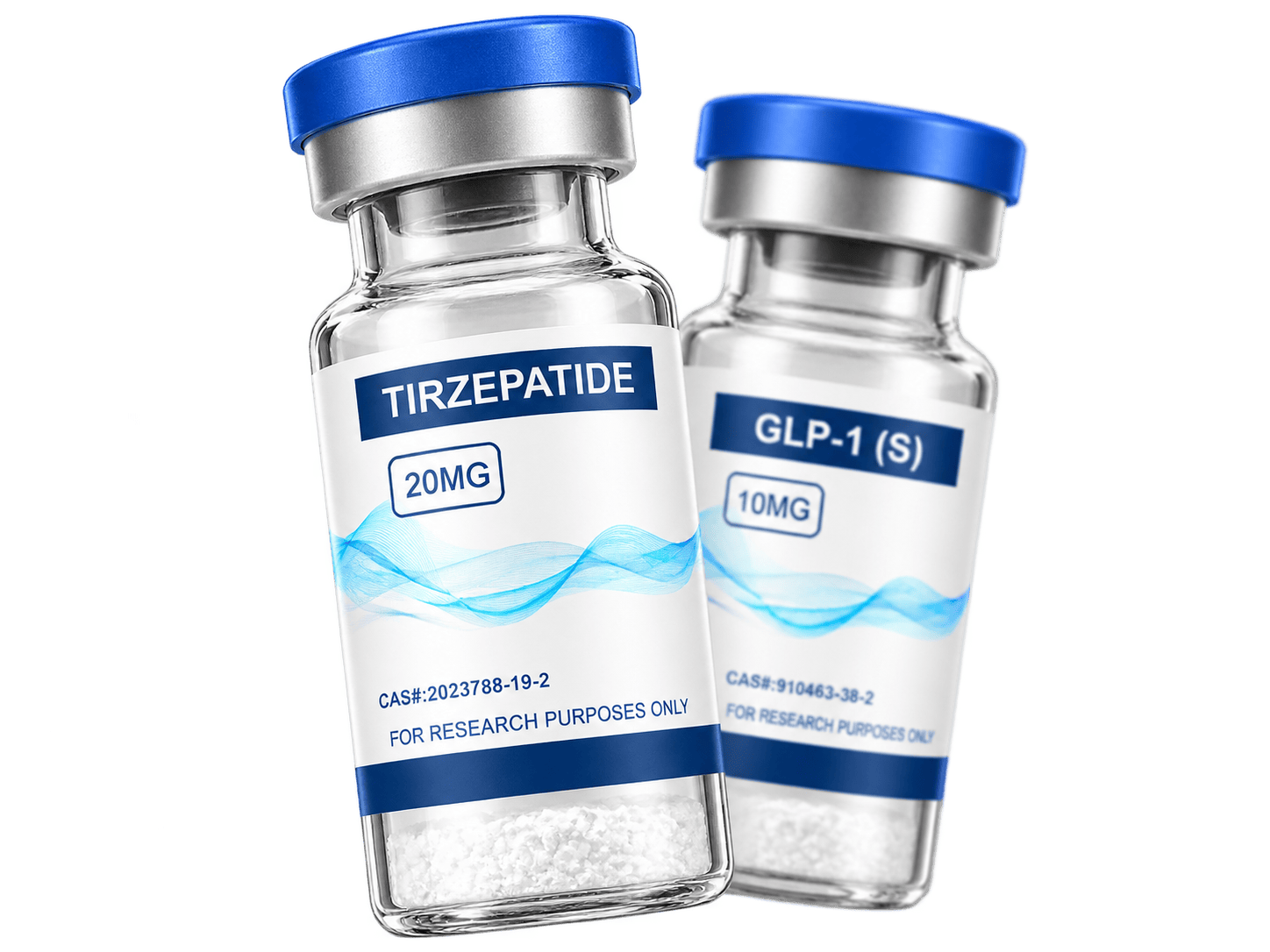
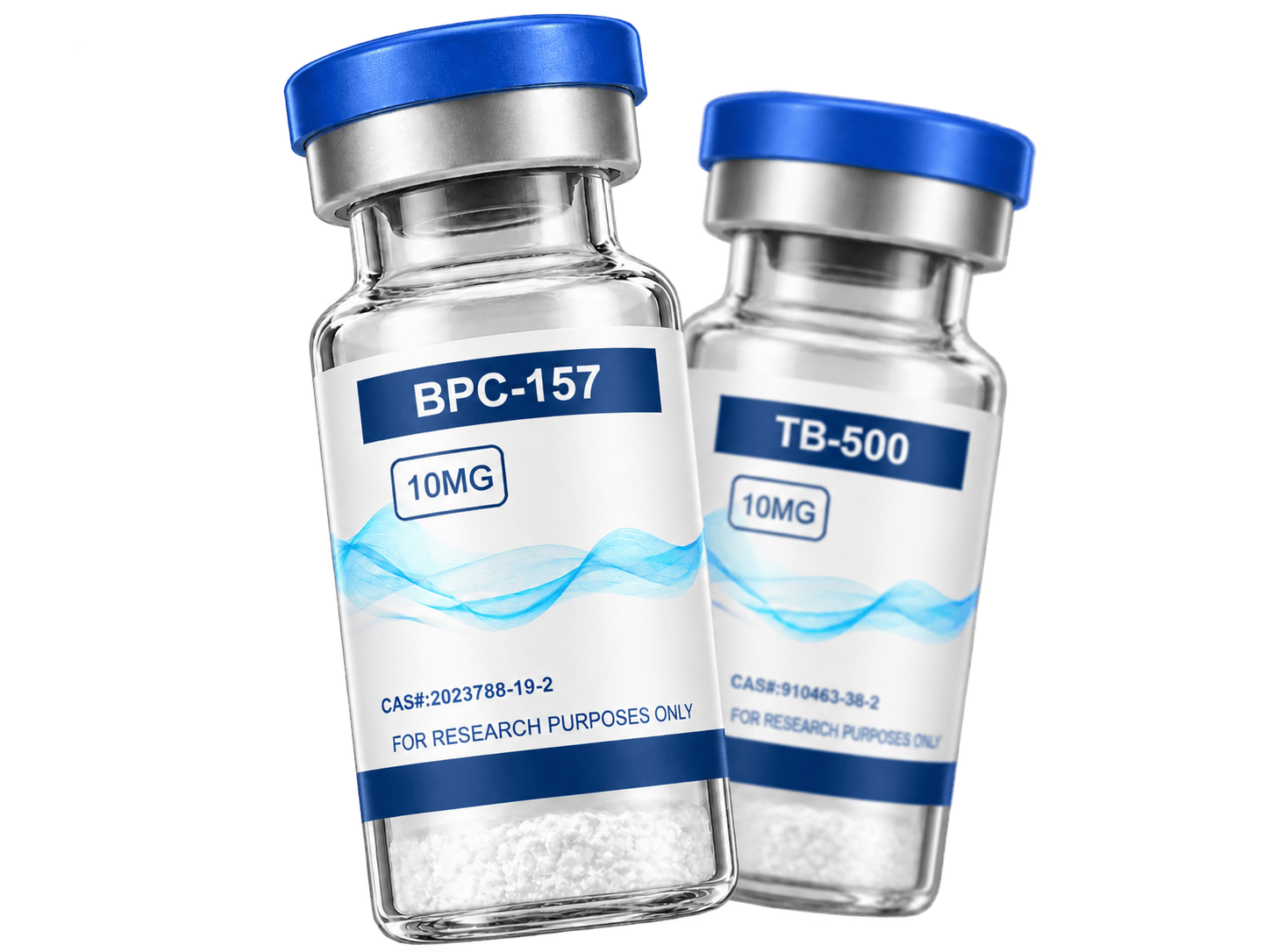
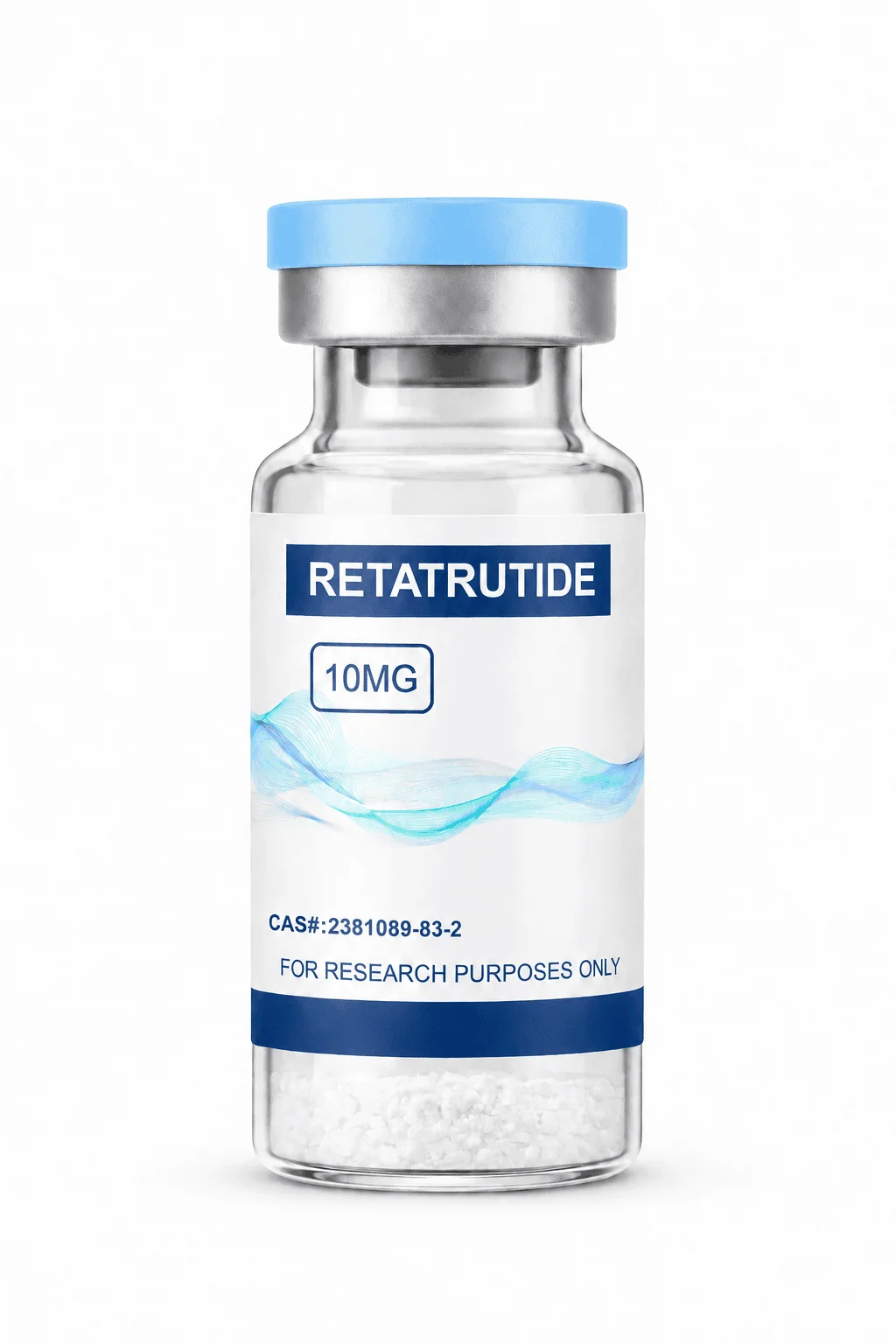
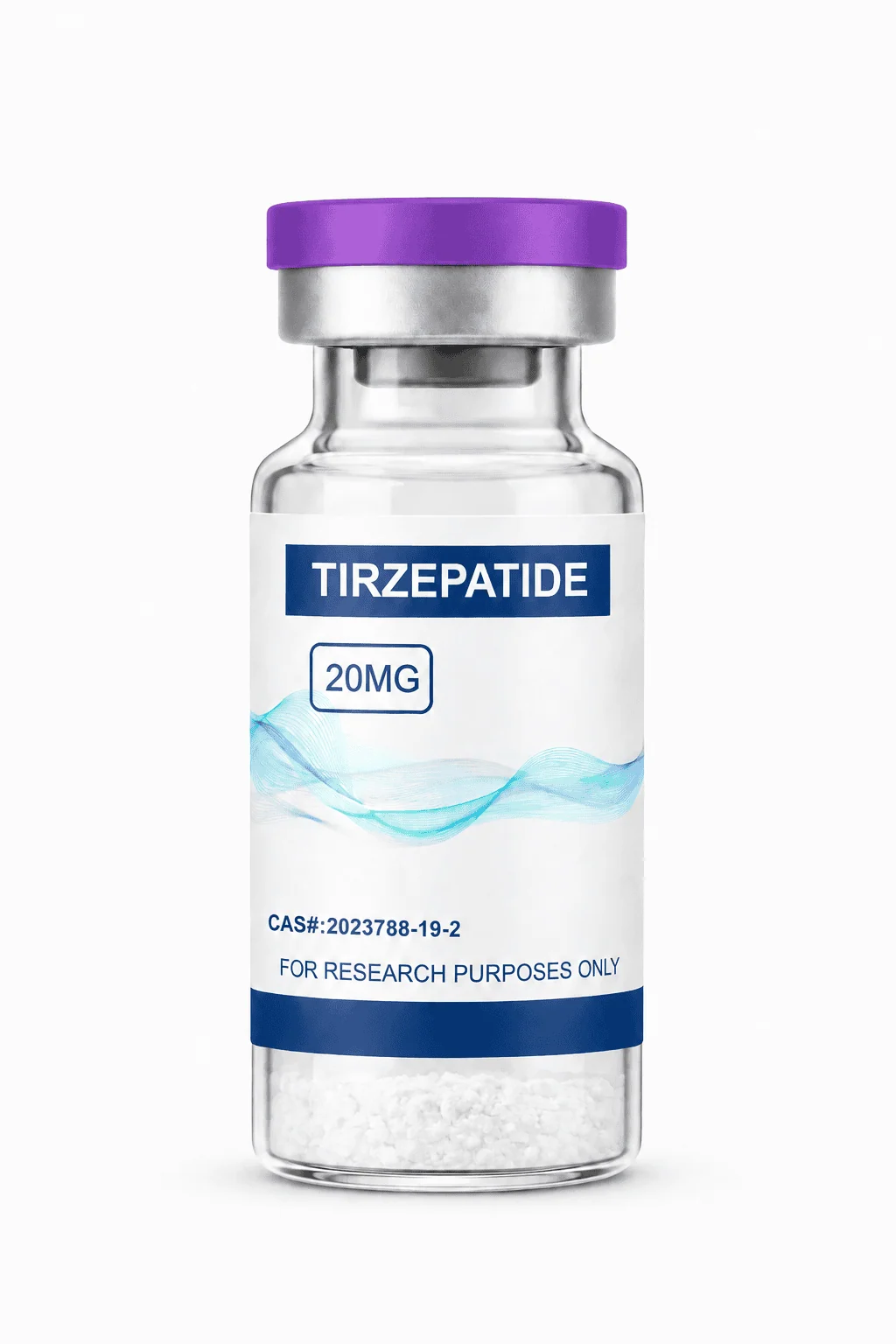
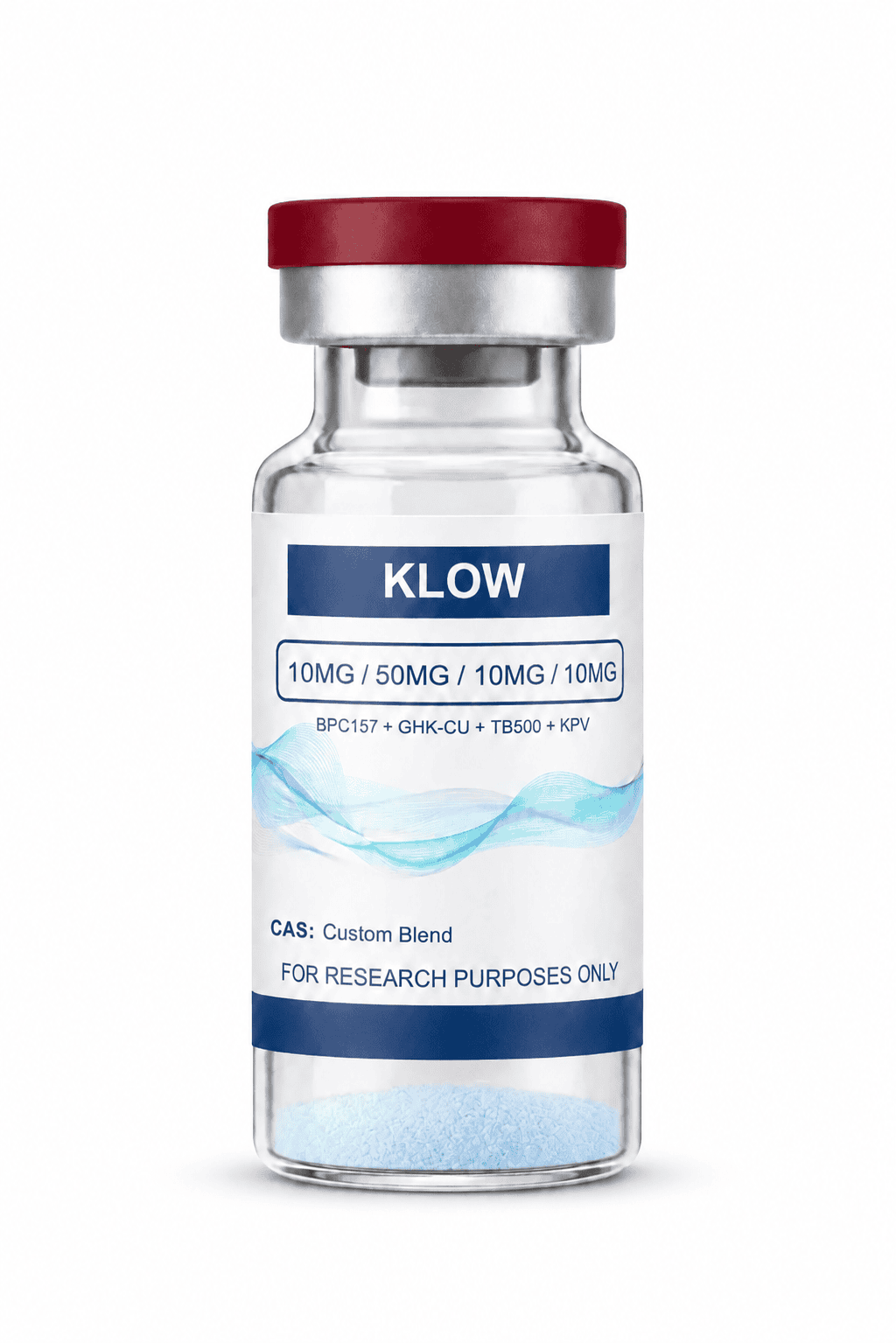
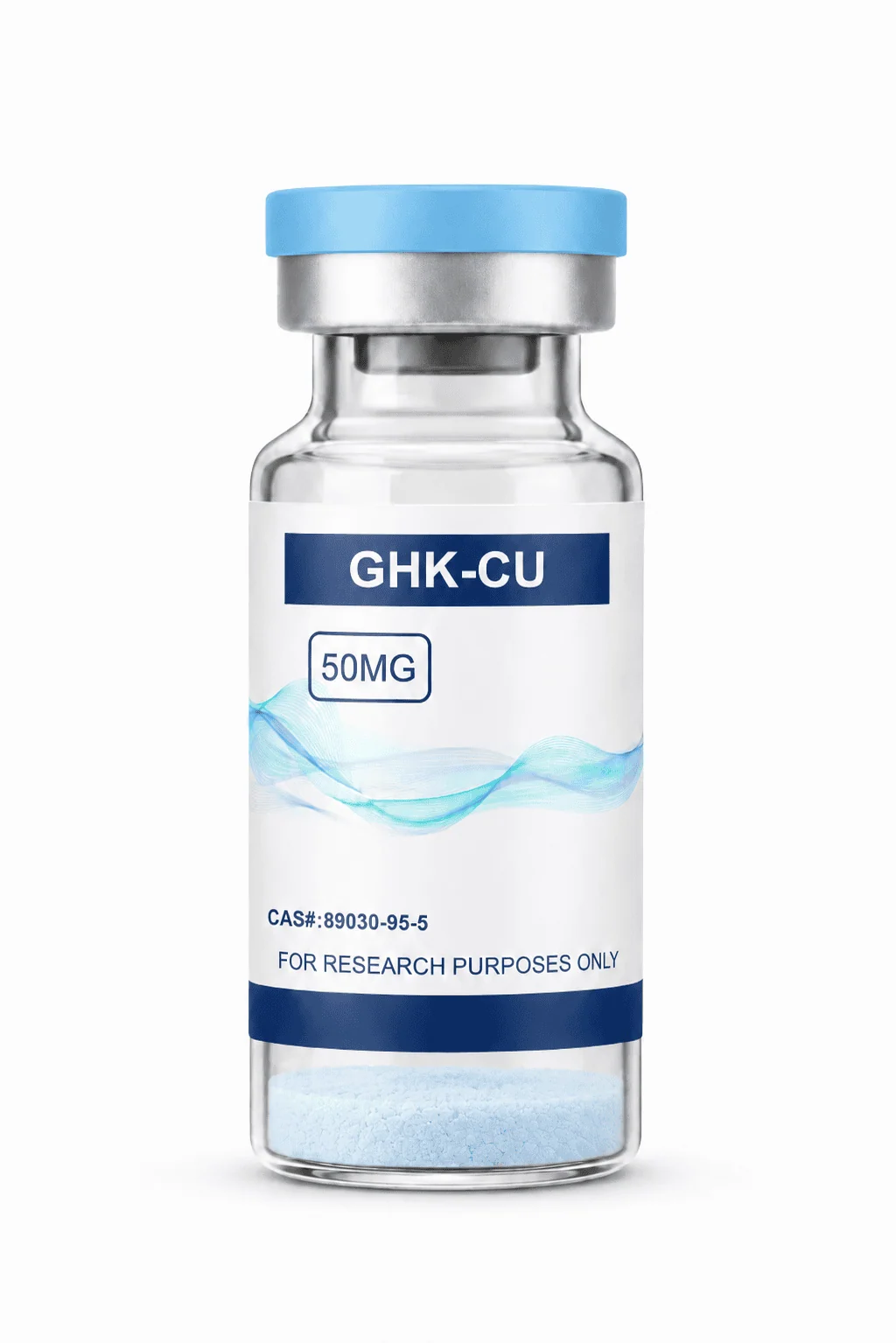
Every vial below is batch-tested and ships from Ontario. Browse the full catalogue of research peptides in Canada.
What researchers say
Recent reviews from verified NexPept orders“Reconstituted very quickly and was completely clear with no issues. 10/10.”
“Very consistent quality, super quick shipping. Thank you guys.”
“Reconstitution was perfect with no issues at all.”
“Very pleased. Thank you.”
“Product quality looks great and arrived quickly.”
“Good quality, authentic, will for sure buy again.”
Earn with NexPept
Join our affiliate program
Share NexPept with your audience and get paid on every order you send our way. No minimum traffic, no approval queue — sign up and start earning.
- Commission starting at 10%, rising with volume
- Paid out monthly by Interac e-Transfer or crypto
- Tracked links and a live dashboard for your referrals
Why researchers choose NexPept
Third-party HPLC and mass spec on every batch, published openly in our COA library. Canadian stock, same-day dispatch from Ontario, discreet tracked delivery, and support that answers.
- Batch-matched certificates you can check before you buy
- Ships domestically — no border delays or customs seizures
- Research-use-only supply, clearly labelled and compliant
Verify before you calculate. Every batch ships with third-party HPLC and MS results you can match to the vial in your hand. Start at the NexPept homepage if you are new here.
Browse research peptides View COA libraryThis calculator performs arithmetic only and provides no guidance on administration to humans or animals. All products referenced are supplied for in-vitro laboratory research use exclusively, are not approved by Health Canada for any therapeutic purpose, and must not be used as drugs, foods, cosmetics or medical devices. Purchasers are responsible for compliance with applicable laws governing possession and use.