NexPept

NexPept Research Library

Research Peptides Canada: Articles & Guides

Clear, reliable guides on peptide purity, testing, storage, COAs, and sourcing lab-tested research peptides in Canada.

Melanotan-2 Research Peptide Overview

Melanotan-2 (MT-2) CAS  121062-08-6 MW  1024.18 Da Class  Cyclic heptapeptide Form  Lyophilized powder On this page What Melanotan-2 is Molecular profile Melanocortin receptor targets MT-2 vs Melanotan-1 vs PT-141 What the evidence does and does not show Purity, batch testing and COAs Laboratory handling considerations Frequently asked questions Research materials

Read More »

MOTS-C Research Peptide Overview

MOTS-c — mitochondrial open reading frame of the twelve S rRNA type-c — is a 16-residue peptide encoded within mitochondrial DNA rather than the nuclear genome. It was identified in 2015 and belongs to a small class of research peptides derived from the mitochondrial genome, a group that has reshaped

Read More »

NAD⁺ Research Peptide Overview

Last updated September 21, 2026 NAD⁺ (nicotinamide adenine dinucleotide) is a coenzyme widely discussed in laboratory and preclinical research due to its role in cellular energy metabolism and redox signaling. It has become a key focus in research models examining cellular function and metabolic processes. This page provides an educational

Read More »

BPC-157 Research Peptide Overview

Last updated September 21, 2026 BPC-157 is a synthetic research peptide derived from a sequence originally identified in a protein found in human gastric juice, known as Body Protection Compound (BPC). It is frequently discussed in laboratory and preclinical research because of its molecular stability and the range of biological

Read More »

GHK-Cu Research Peptide Overview

Copper Binding Peptide Cellular Signaling Research Third-Party Tested Canada Research Supply GHK-Cu is a copper-binding research peptide composed of three amino acids — glycine, histidine, and lysine — bound to a copper ion. It occurs naturally in human plasma and has been widely studied in preclinical and laboratory research settings

Read More »

Semax Research Peptide Overview

Semax is a synthetic seven-residue peptide built from a fragment of adrenocorticotropic hormone with the hormonal activity engineered out and a short stabilising tail added. Developed in Russia and still prescribed there, it has an unusual research profile: a substantial clinical literature in one language and comparatively little independent replication

Read More »

Ipamorelin Research Peptide Overview

Last updated September 21, 2026 Ipamorelin is a synthetic research peptide that has gained attention in laboratory and preclinical research due to its selective interaction with specific receptor signaling pathways. It is commonly discussed in experimental research models focused on peptide–receptor binding and signaling specificity. This page provides an educational

Read More »

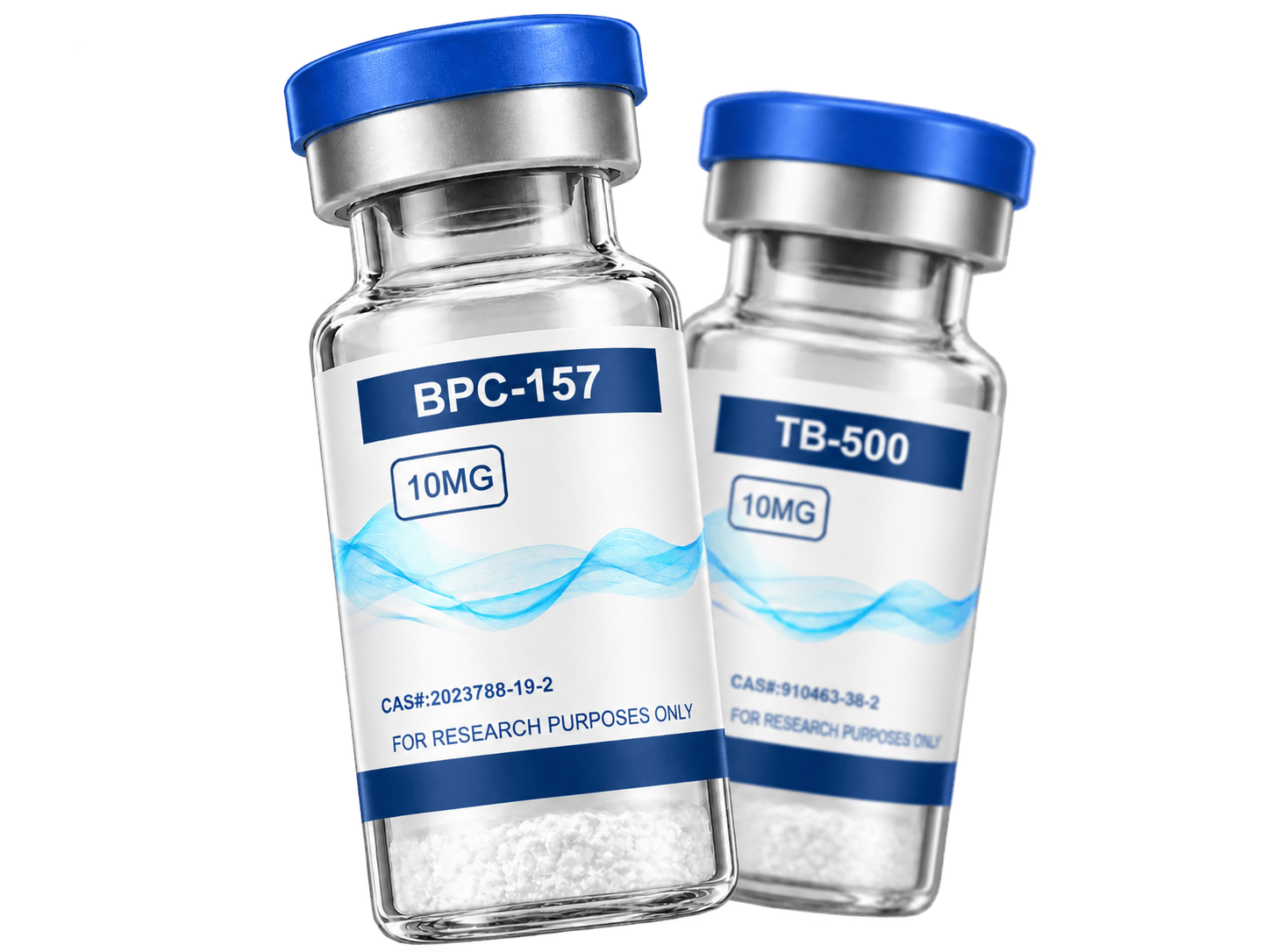
BPC-157 vs TB-500: Research Comparison

BPC-157 and TB-500 are two of the most commonly discussed research peptides in laboratory and preclinical research settings. While both compounds are frequently referenced in studies related to tissue-level signaling and cellular pathways, they differ in structure, research focus, and how researchers typically approach them in experimental models. This article provides an educational

Read More »

TB-500 Research Peptide Overview

TB-500 is the common research name for thymosin beta-4, a 43-residue peptide encoded by the TMSB4X gene. Its defining property is simple to state and unusual in its consequences: it binds actin monomers and does not bind actin filaments. For laboratory research use only All products supplied by NexPept are

Read More »

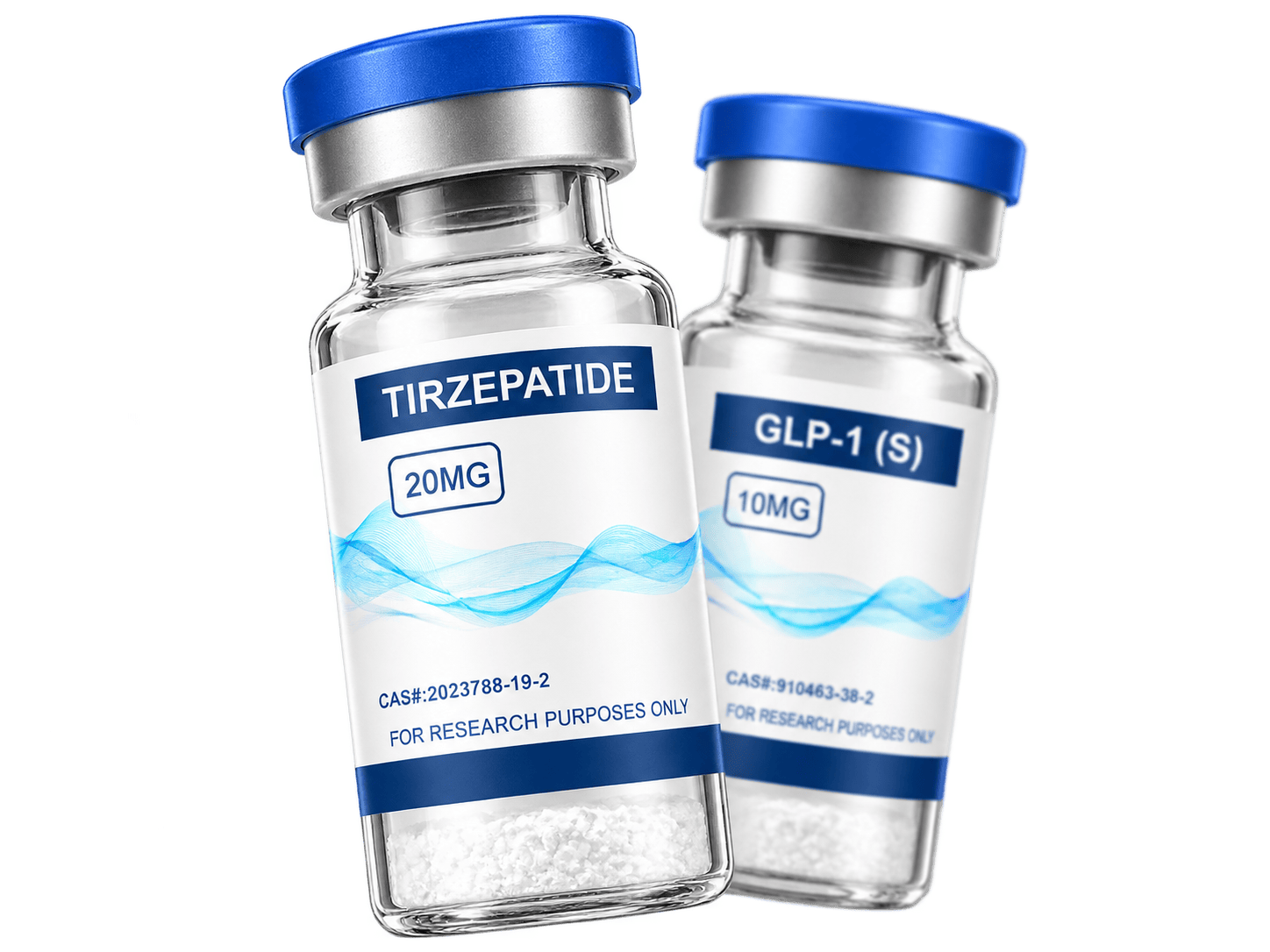
Tirzepatide Research Peptide Overview

Tirzepatide is a synthetic peptide studied in laboratory and preclinical research for its activity across metabolic and receptor signalling pathways. It appears in experimental models examining energy regulation and receptor interaction. This page is an educational overview for laboratory research purposes only. NexPept supplies Tirzepatide strictly for non-clinical research applications,

Read More »

Frequently Asked Questions

Common questions about research peptides in Canada.

What is the difference between a peptide and a protein?

Both are made of amino acids, but peptides are much shorter chains (generally under about 50 amino acids), while proteins are longer and fold into complex structures. This size difference is why they behave differently in research.

What is a Certificate of Analysis (COA)?

A COA is a lab document that verifies a peptide's identity, purity, and composition. A strong COA shows 99%+ purity, HPLC and Mass Spectrometry results, a batch number, and is issued by an independent third-party lab you can verify with directly.

How do I reconstitute a research peptide?

Lyophilized peptides are dissolved in a solvent such as bacteriostatic water, added slowly down the side of the vial rather than directly onto the powder. Swirl gently instead of shaking. Always follow your laboratory's validated protocol for the specific compound.

What is a peptide blend?

A peptide blend is a single vial containing two or more peptides combined together — for example GLOW or KLOW. Blends are studied for combined effects, and at NexPept they receive the same third-party testing and COA as individual compounds.

How do I calculate a reconstitution amount?

The amount of solvent determines the concentration of your solution. Our free Peptide Calculator lets you enter the peptide amount and desired concentration to work out exactly how much solvent to add.

Where can I learn more about research peptides?

Start with our guide on what research peptides are, then explore our articles on storage, testing, and COAs throughout the NexPept research library above.

0
Your Cart
Your cart is emptyReturn to Shop

SHOP

REASEARCH

ACCOUNT