

Peptides vs Proteins Explained (2026 Guide)
Peptides and proteins are both made from amino acids and play important roles in biological systems, cellular communication, and laboratory research. While the terms are often used interchangeably online, peptides and proteins are structurally different and are studied for different purposes within scientific environments.
As interest in research peptides continues growing in Canada, many researchers and educational readers are looking to better understand the differences between peptides, proteins, amino acid chains, signaling compounds, and larger biological structures.
This guide explains the major differences between peptides and proteins, how they are formed, why they matter in scientific research, and how peptide compounds are commonly studied within laboratory settings.
For additional educational resources related to peptide research, you can also explore our guide to what are research peptides.
What Are Amino Acids?
To understand peptides and proteins, it is important to first understand amino acids. Amino acids are organic compounds that act as the building blocks of peptides and proteins. Different amino acids can combine in specific sequences to create larger molecular structures with different biological properties.
Researchers study amino acids because of their importance in cellular processes, signaling pathways, and biological structure formation. When amino acids bond together through peptide bonds, they form chains that can eventually become peptides or proteins depending on their size and complexity.
Within scientific and laboratory environments, amino acid interactions are studied extensively to better understand molecular biology and biochemical signaling systems.
What Are Peptides?
Peptides are short chains of amino acids connected together through peptide bonds. In most scientific discussions, peptides are considered smaller and less structurally complex than proteins.
Research peptides are commonly studied in laboratory settings for their interaction with signaling pathways, receptor activity, biochemical systems, and cellular communication processes.
Peptides may vary significantly in length, structure, and biological interaction depending on their amino acid composition. Some peptides contain only a few amino acids, while others may contain dozens.
Researchers frequently investigate peptides in controlled environments to better understand:
- Peptide signaling pathways
- Hormone-related receptor interaction
- Cellular communication systems
- Metabolic signaling research
- Biochemical pathway activity
- Molecular interaction mechanisms
As peptide research continues expanding, interest in research peptides in Canada has also increased significantly.
What Are Proteins?
Proteins are larger and more structurally complex molecules made from long chains of amino acids. Unlike peptides, proteins typically contain many more amino acids and fold into highly advanced three-dimensional structures.
Proteins are involved in numerous biological functions and are commonly studied in fields such as molecular biology, biochemistry, genetics, and cellular research.
Depending on their structure and function, proteins may act as:
- Structural components
- Transport molecules
- Biological catalysts
- Signaling molecules
- Cellular support systems
- Regulatory components
Researchers study proteins to better understand how biological systems operate at the molecular level.
The Main Difference Between Peptides and Proteins
The primary difference between peptides and proteins is size and structural complexity.
Peptides are generally smaller chains of amino acids, while proteins are larger and more complex molecular structures.
Although there is no universally fixed cutoff, peptides are often described as shorter amino acid chains, whereas proteins typically contain significantly larger sequences that fold into advanced structures.
Proteins generally:
- Contain more amino acids
- Have more complex folding patterns
- Perform broader structural or biological functions
Peptides generally:
- Are smaller molecular chains
- May participate in signaling processes
- Are commonly studied in receptor interaction research
This distinction is important within scientific research because peptides and proteins may behave differently within biological systems and laboratory environments.
Why Peptides Are Commonly Studied
Peptides are frequently discussed in modern laboratory research because of their interaction with signaling pathways and receptor systems. Researchers continue exploring how peptide compounds interact with complex biological systems within controlled research environments.
Common areas of peptide-related research include:
- Metabolic signaling pathways
- Hormone receptor interaction
- Cellular communication systems
- Biochemical pathway analysis
- Peptide-mediated signaling research
Because peptides are smaller and often easier to study in controlled settings, they have become a major area of interest within scientific research communities.
Researchers looking to better understand peptide compounds can also explore our guide to research peptides.
Research Peptides and Signaling Pathways
One reason peptides are frequently discussed in scientific environments is their association with signaling pathways and receptor activity. Researchers continue studying how peptides interact with biological systems involved in communication between cells and molecular structures.
Within laboratory settings, peptide compounds are often investigated for their relationship to:
- Receptor signaling systems
- Hormone pathway research
- Metabolic signaling mechanisms
- Biochemical communication pathways
- Cellular interaction systems
These research areas continue expanding as scientists explore more advanced peptide-related biological systems.
How Peptides Are Used in Laboratory Research
Research peptides are commonly supplied for laboratory use only and are studied in controlled scientific environments. Researchers may investigate peptide compounds to better understand signaling systems, receptor pathways, and biochemical interactions.
Common research practices may include:
- Analyzing peptide stability
- Examining receptor interaction
- Studying molecular signaling behavior
- Reviewing peptide structure relationships
- Investigating pathway communication systems
Laboratory research involving peptides is highly specialized and typically performed within controlled research settings.
Peptides and Metabolic Research
One of the fastest-growing areas of peptide-related research involves metabolic signaling and receptor pathway studies. Researchers frequently investigate compounds associated with peptide-mediated signaling systems related to metabolism and biochemical regulation.
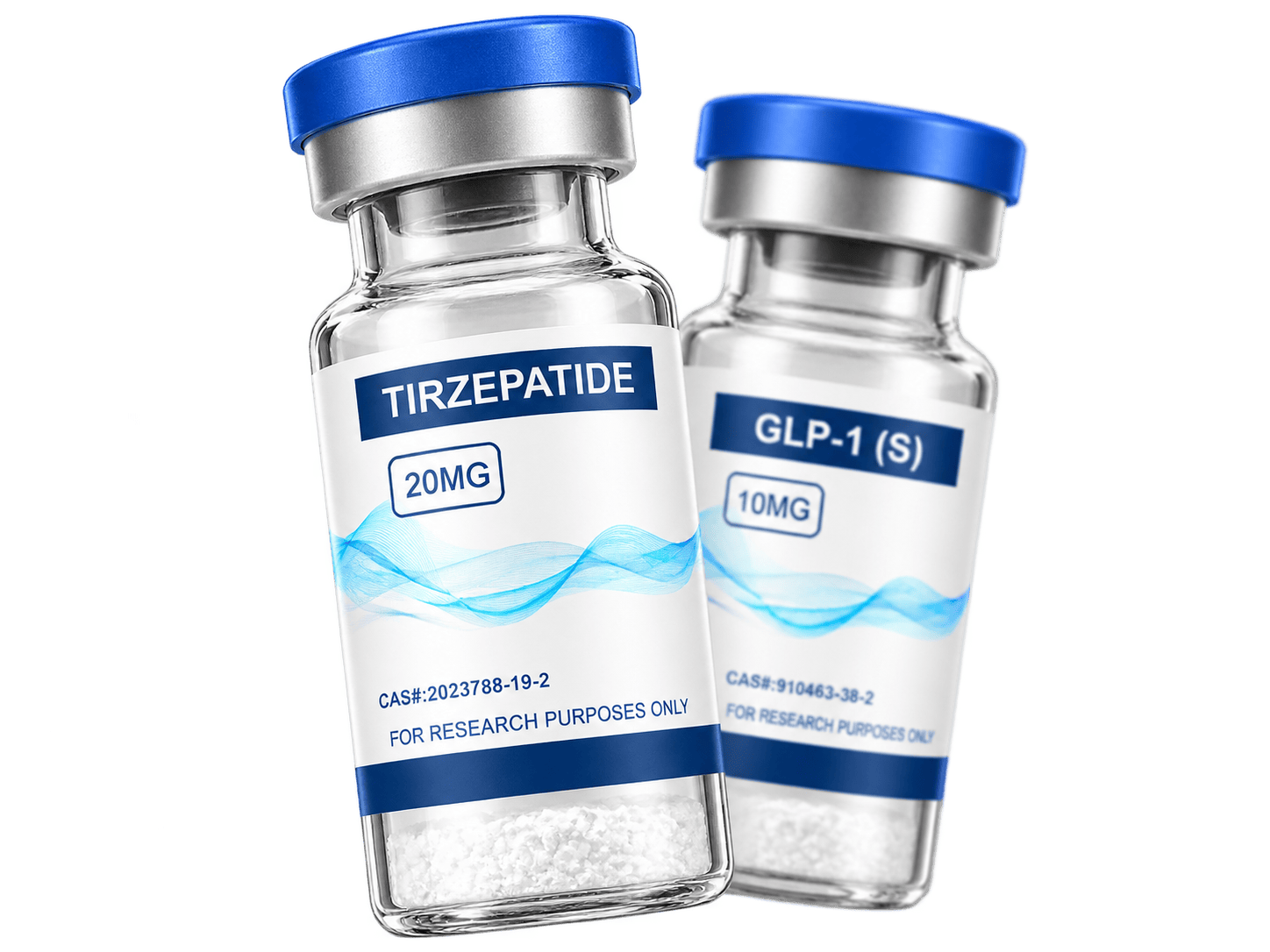
Several compounds commonly discussed in metabolic research include GLP-related research peptides and multi-pathway signaling compounds.
Researchers exploring metabolic peptide research may also use tools such as a peptide calculator to assist with laboratory calculations and measurement preparation within research environments.
How Proteins Differ Structurally
Proteins are generally much larger than peptides and contain more advanced structural organization. Unlike shorter peptide chains, proteins often fold into highly specific shapes that influence their biological activity.
Protein structure is commonly categorized into multiple organizational levels, including:
- Primary structure
- Secondary structure
- Tertiary structure
- Quaternary structure
These structural levels help determine how proteins interact within biological systems.
Because proteins are more structurally complex, they are often studied differently than smaller peptide compounds.
Why Understanding Peptides vs Proteins Matters
Understanding the difference between peptides and proteins is important for researchers, students, and individuals interested in molecular biology and peptide-related research.
Although peptides and proteins are both formed from amino acids, their structure, complexity, and research applications may differ significantly.
Scientific discussions surrounding peptides continue growing because of their relevance in:
- Signaling pathway research
- Biochemical interaction studies
- Metabolic research
- Cellular communication analysis
- Molecular biology research
As research expands, educational resources explaining peptide structure and peptide-related terminology continue becoming more important.
Research Peptides in Canada
Interest in research peptides throughout Canada has increased significantly as more researchers explore peptide-related signaling systems and laboratory applications.
Canadian researchers often seek educational information related to:
- Peptide structure
- Peptide signaling pathways
- Laboratory research compounds
- Metabolic research peptides
- Peptide handling and storage
Researchers may also look for Canadian suppliers that emphasize transparent labeling, consistent product handling, and reliable domestic shipping.
For more information regarding Canadian peptide sourcing and laboratory compounds, visit our guide to buy peptides Canada.
Shipping and Handling Research Peptides
Proper handling and shipping procedures are important considerations within peptide-related laboratory environments. Many research compounds are sensitive to environmental conditions and require careful packaging and transportation practices.
Researchers commonly consider factors such as:
- Packaging procedures
- Storage consistency
- Shipping timelines
- Temperature considerations
- Product handling methods
To learn more about Canadian shipping procedures and packaging practices, you can explore our guide on how research peptides are shipped in Canada.
Why Educational Peptide Content Matters
As peptide-related research grows, educational resources explaining scientific terminology and molecular concepts become increasingly important.
Educational articles discussing:
- Peptides vs proteins
- Research peptide terminology
- Signaling pathways
- Laboratory peptide research
help researchers and readers better understand the broader field of peptide science.
These educational resources also contribute to a more informed understanding of laboratory research compounds and peptide-related biological systems.
Common Questions About Peptides vs Proteins
Are peptides and proteins made from amino acids?
Yes. Both peptides and proteins are formed from amino acids connected together through peptide bonds.
What is the main difference between peptides and proteins?
The primary difference is size and complexity. Peptides are generally shorter amino acid chains, while proteins are larger and more structurally advanced.
Why are peptides commonly studied?
Researchers study peptides because of their relationship to signaling pathways, receptor interaction, and biochemical communication systems.
Are research peptides intended for laboratory use?
Research peptides are commonly supplied strictly for laboratory research purposes and are not approved for human or veterinary use unless specifically authorized.
Why are proteins structurally different?
Proteins contain longer amino acid chains and often fold into advanced three-dimensional structures that influence biological behavior.
Final Thoughts
Although peptides and proteins are both formed from amino acids, they differ significantly in size, structural complexity, and research application. Peptides are generally smaller amino acid chains commonly studied in signaling and receptor-related research, while proteins are larger and more structurally advanced biological molecules.
As peptide-related scientific research continues expanding, understanding the differences between peptides and proteins becomes increasingly important for educational and laboratory discussions.
Researchers interested in peptide-related educational resources can also explore:
Disclaimer
This content is provided strictly for informational and educational purposes only. Any products referenced throughout this article are intended strictly for laboratory research use only and are not approved for human or veterinary use.