Metabolic Research Peptides Canada: Complete Guide (2026)
How metabolic peptides are studied in the lab, how to read a certificate of analysis, and how to choose a research peptide supplier in Canada.
Last updated
Metabolic research peptides have become an increasingly important area of study within scientific communities, particularly as researchers explore how different compounds interact with metabolic pathways. Interest in metabolic research peptides in Canada has grown alongside improved access to research compounds through domestic suppliers.
This guide provides a complete overview of metabolic peptides, how they are studied in research environments, and what to consider when sourcing them in Canada. For a broader overview, you can also explore our guide to peptides Canada.
All peptides referenced are intended strictly for laboratory research use only and are not for human or veterinary use.
Key points
What Are Metabolic Research Peptides?
Metabolic research peptides are compounds studied for their interactions with biological systems related to metabolism. These peptides are typically analyzed in laboratory environments to better understand cellular signaling, biochemical processes, and energy regulation mechanisms.
A peptide is a short chain of amino acids. In controlled research settings, peptides are used to explore how different pathways function at a molecular level, and because of their defined structure they are valuable tools in biochemical and metabolic research.
Why Metabolic Peptides Are a Growing Area of Research
The interest in metabolic peptides has expanded significantly as researchers continue to investigate complex biological systems. These compounds are often studied for their role in signaling pathways and metabolic regulation within controlled environments.
As research continues to evolve, the demand for reliable access to metabolic research peptides in Canada has also increased. This has led to a greater emphasis on supplier quality, transparency, and consistency. Many of these compounds appear in preclinical and academic research literature, and you can browse them in our receptor research peptides category.
How Metabolic Peptides Are Studied
In laboratory settings, metabolic peptides are examined through structured research processes designed to analyze their interactions with biological systems. These studies focus on understanding how peptides behave under controlled conditions rather than practical applications.
These research methods allow scientists to better understand complex biological systems and how peptides interact at a molecular level.
Examples of Peptides Studied in Metabolic Research
There are several compounds commonly referenced within metabolic research. These peptides are typically studied for their interactions with signaling pathways and metabolic processes.
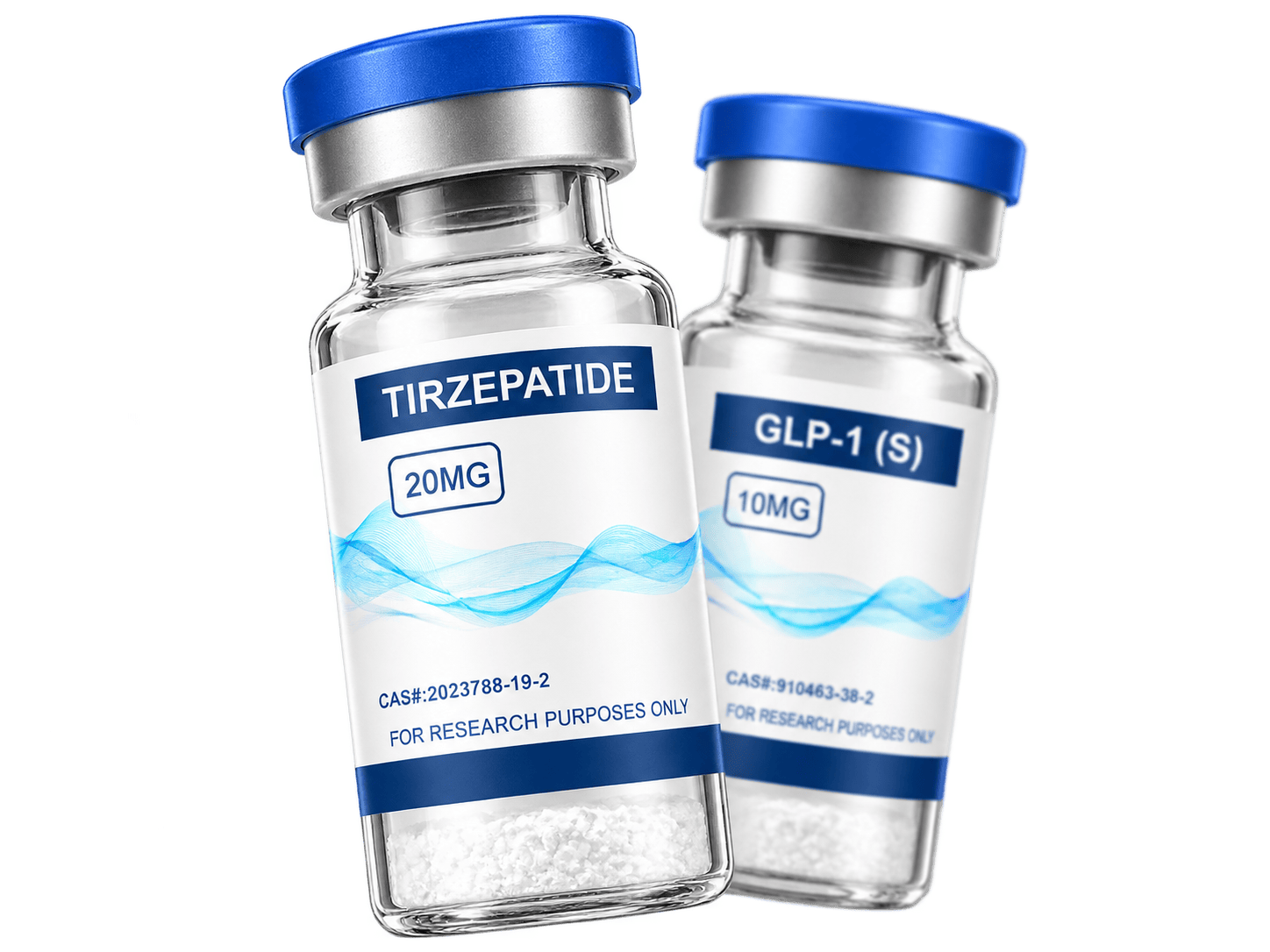
For example, compounds such as MOTS-c, GLP-3 (R), and AOD-9604 are explored in research environments for their interaction with pathways related to metabolism. Other compounds may also be studied within similar contexts depending on research objectives.
| Compound | Classification | Typical research context |
|---|---|---|
| MOTS-c | Mitochondrial-derived peptide (16 amino acids) | Mitochondrial signaling and cellular energy pathway models |
| GLP-3 (R) | Receptor-active research peptide | Receptor signaling and pathway studies |
| AOD-9604 | Modified fragment of the human growth hormone C-terminus | Preclinical metabolic pathway models |
It is important to note that these compounds are not approved for human or veterinary use and are intended strictly for laboratory research purposes.
Metabolic Research Peptides in Canada
In Canada, metabolic research peptides are typically sourced through suppliers that provide compounds labeled for research use only. Regulations and classifications may vary depending on the specific compound and intended application.
Researchers often rely on Canadian suppliers due to faster shipping times and reduced complications compared to international sourcing. Domestic availability also allows for better consistency and communication when sourcing research materials.
For more information on regulations, you can read our guide on peptides in Canada regulations.
Choosing a Reliable Metabolic Research Peptide Supplier in Canada
When sourcing metabolic peptides in Canada, selecting a reliable supplier is an important factor. Researchers typically look for suppliers that emphasize quality control, transparency, and consistency.
Working with a supplier that prioritizes these factors helps ensure more consistent research outcomes. For a deeper look, read our guide to buying research peptides in Canada.
Featured on PeptideStack Read the NexPept review on PeptideStackHow to Read a Certificate of Analysis (COA)
A certificate of analysis is the most useful document a research peptide supplier can provide. It shows what was tested in a specific batch and what the results were. When you review one, check for:
If a supplier cannot provide batch-specific documentation, treat that as a red flag. You can see what batch testing looks like in the NexPept peptide COA library.
Benefits of Sourcing Peptides in Canada
There are several advantages to sourcing peptides from Canadian suppliers. Domestic sourcing simplifies logistics and reduces the risks associated with international shipments.
These advantages make Canadian sourcing a preferred option for many research environments.
Handling and Storage Considerations
Proper handling and storage are essential when working with metabolic research peptides. These compounds are sensitive and require controlled conditions to maintain their integrity.
Suppliers that prioritize packaging and shipping conditions can help ensure peptides arrive in suitable condition for research purposes.
Explore Metabolic Research Peptides in Canada
For researchers looking to explore available compounds, it is important to work with suppliers that emphasize quality, transparency, and proper research-use positioning. You can view a full selection of research compounds below.
Common Questions About Metabolic Peptides
What are metabolic research peptides?
Metabolic research peptides are compounds studied in laboratory environments for their interaction with biological systems related to metabolism.
Are metabolic peptides legal in Canada?
The legal status of a peptide depends on the specific compound and how it is intended to be used. Products sold by NexPept are labeled for laboratory research use only. For a detailed overview, read our guide on peptides in Canada regulations.
Are these peptides approved for human use?
No. These compounds are intended strictly for laboratory research and are not approved for human or veterinary use.
Why choose a Canadian supplier?
Canadian suppliers may offer faster delivery, fewer delays, and improved reliability compared to international sources.
What is a certificate of analysis (COA) and why does it matter?
A certificate of analysis (COA) is a lab report for a specific batch. It typically lists the compound name, lot number, purity percentage, and identity confirmation, so you can verify what is in the vial. NexPept batch results are available in the peptide COA library.
How should metabolic research peptides be stored?
Storage varies by compound, so follow the instructions on the product label or product page. Lyophilized (freeze-dried) peptides are generally kept cold, dry, and protected from light and moisture.
How can I tell if a research peptide supplier is reliable?
Look for batch-specific certificates of analysis, clear research-use-only labeling, transparent product information, and tracked Canadian shipping.
What does research use only mean?
It means the compound is supplied for laboratory and preclinical research only. It is not intended for human or veterinary use.
Final Thoughts
As research continues to evolve, metabolic research peptides Canada remains an important topic within scientific communities. Understanding how these compounds are studied and sourced can help support more informed research practices.
This page is intended to provide a foundational overview while supporting further research and exploration within this field.